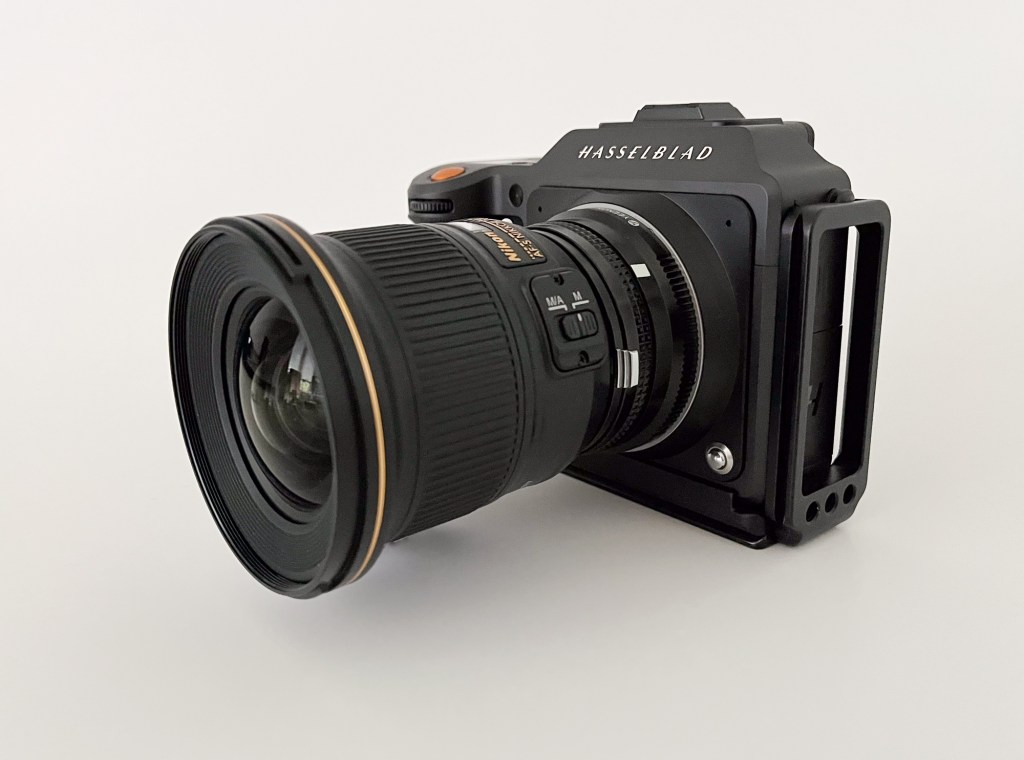
A few years ago I purchased the Nikkor 20mm 1.8G, primarily to have a lightweight, fast wide angle lens to use on my Nikon system for astrophotography and in other low-light conditions. It has served me well for that, although there are undoubtedly other fast wide-angles for Nikon out there that do pretty much the same. My Nikkor 14-24 f2.8 comes to mind. When I purchased my first Hasselblad X1D I got a Nikon F to Hasselblad X adapter, and I have used this lens a few times in low light conditions on the X-body also. I will publish a more formal test of this lens on Hasselblad X in such settings sometime in the future.
However, there is one property of this lens that has really impressed me, and that is how it draws bright light sources, eg. the sunstar. I have never really loved the quite sharp 8-legged sunstar that most Hasselblad lenses make (the 45p is an exception) and I often prefer a more diffuse (subtle?) 12-14 legged star. This Nikkor lens makes the most beautiful sunstar of all lenses I have ever used, and I have actually brought it with me for my Hasselblad X system on a few occasions with only that in mind.
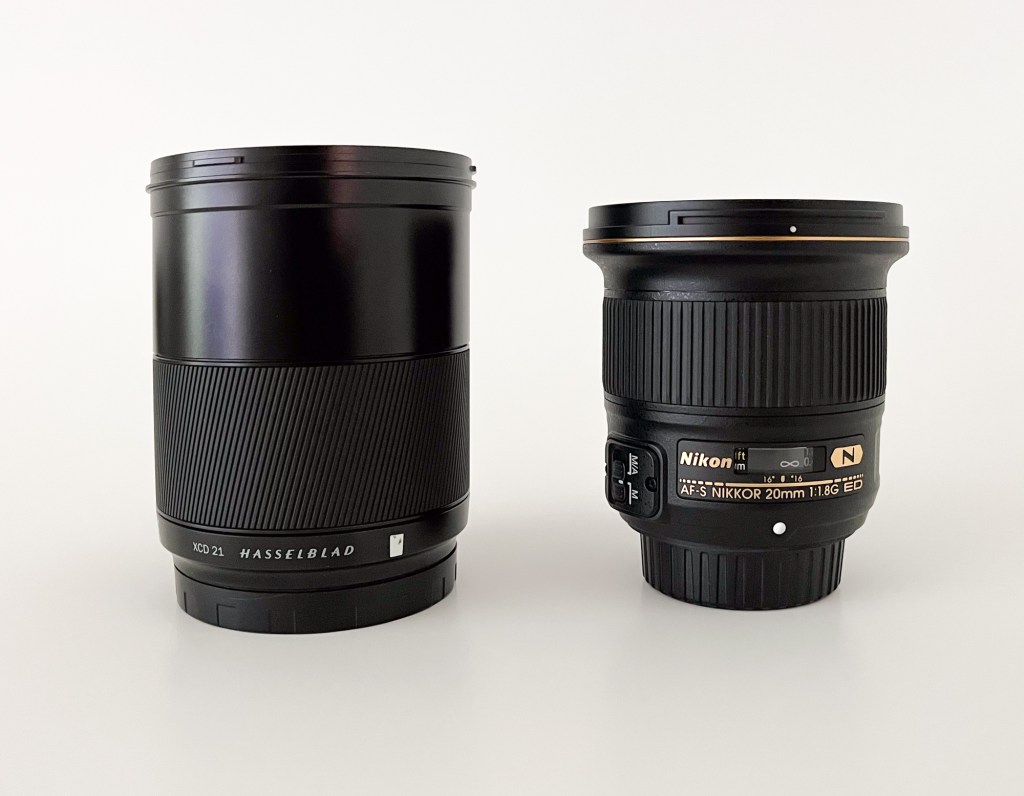
The lens itself is very small and lightweigh at just 82mm and 355 grams. Add the adapter and it is more comparable with the Hasselblad XCD 21mm. Like other Nikkor G-lenses it is not really made for manual focus. The focus throw is quite short and sloppy, so focusing manually on the Hasselblad X is not great, but doable. There is no aperture ring, so you will depend on an adapter with aperture-function. Build quality is ok, but not on par with older, manual focus Nikkor lenses previously tested as it is to a large degree made of plastic. One great thing about it is that it takes regular screw-on filters with a diameter of 77mm, in contrast to eg. the Nikkor 14-24mm zoom. It also has a minimum focus distance of only 20cm, which is great if you want that really deep perspective.
On a recent visit to the mountains of Romsdalen in Norway, I decided to put the Nikkor 20mm f1.8 head-to-head with my XCD 21mm with the sunstar in mind. I hiked to a viewpoint above the valley where I knew I would have a nice view directly into the sunset, and set up my gear. The images are taken just a minute apart. Camera settings and postprocessing are identical for the two photos. In short: Tripod, ISO 64, f16, 1/90 sec, manual focus in 100% live-view to infinity, 2 sec timer. Only slight adjustments of brightness, contrast and color temperature in postprocessing, identical for the two files. I have taken down the highlights a little bit more than I otherwise would do to really show the difference between the two sunstars.


As you can see, there is a significant difference between how the sun is rendered. I must admit that Hasselblad’s 8-legged version has grown on me through the years, but I still prefer the Nikkor version. It is of course a matter of taste, and your milage may vary.
What about other properties? Well, there are of course several drawbacks with using an adapted full-frame lens on the Hasselblad. Firstly, the hard vignetting is quite obvious from the image above. This can of course easily be cropped out, but you would loose some pixels. The Nikkor is slightly wider than the XCD 21mm, but cropped for vignetting, you would still end up with a bit narrower angle of view with the Nikkor.
Other drawbacks are of course manual focus only (I don’t mind), e-shutter only (I don’t mind that either) and manual aperture, open and close for focusing (I find that a slight hassle).
How about sharpness? Well, in short, the Hasselblad XCD 21mm is sharper. Of course. But you will need quite a large print and probably side-by-side comparison to notice a significant difference. 200% crops from image center compared below. If you compare areas closer to the edge, the difference is more pronounced, but the Nikkor is still very usable. However, I notice that the contrast seems a bit better on the Hasselblad lens. In short, I would say that the Nikkor is sharp enough for me in most situations.

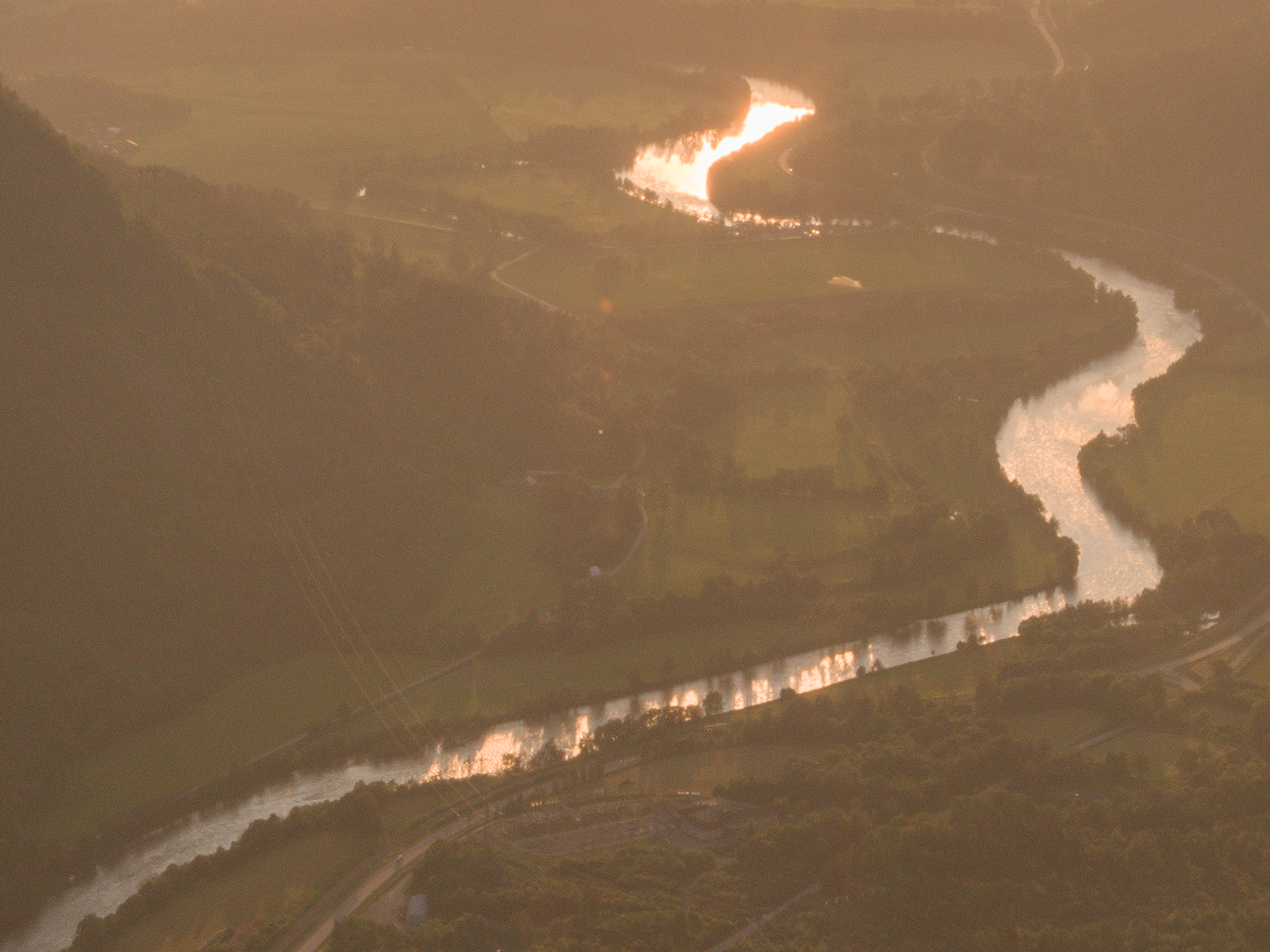
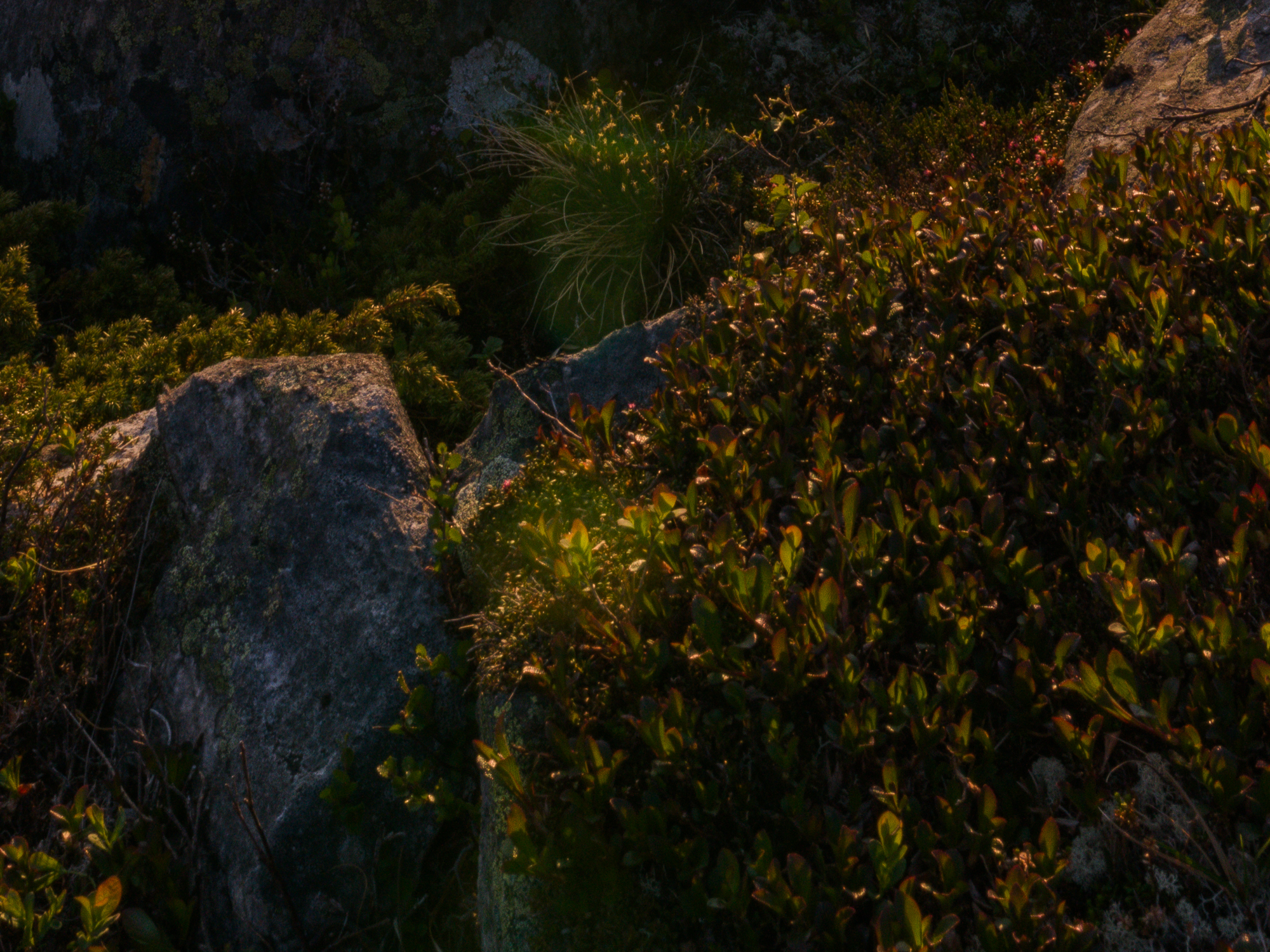
When I have used this lens primarily for the sake of the sunstar, flaring and ghosting is of course an important issue. How do they compare when shooting straight into the sun? Well, in this example there was some discoloration in the bottom of the image with both lenses. 100% crops of this area shown below.
Conclusions
I find that the Nikkor 20mm f1.8 is a viable alternative on the Hasselblad X if you want a different rendering of the sunstar compared to the original XCD-lenses. Furthermore, if you need a really fast lens for e.g. aurora or milky-way photography, it is a viable option. I will be sure to publish a separate test (with comparison to the XCD 21mm) of that when the nights are dark enough come September. Sharpness and contrast is OK. It has a hard vignette, and you will need to crop the files somewhat.
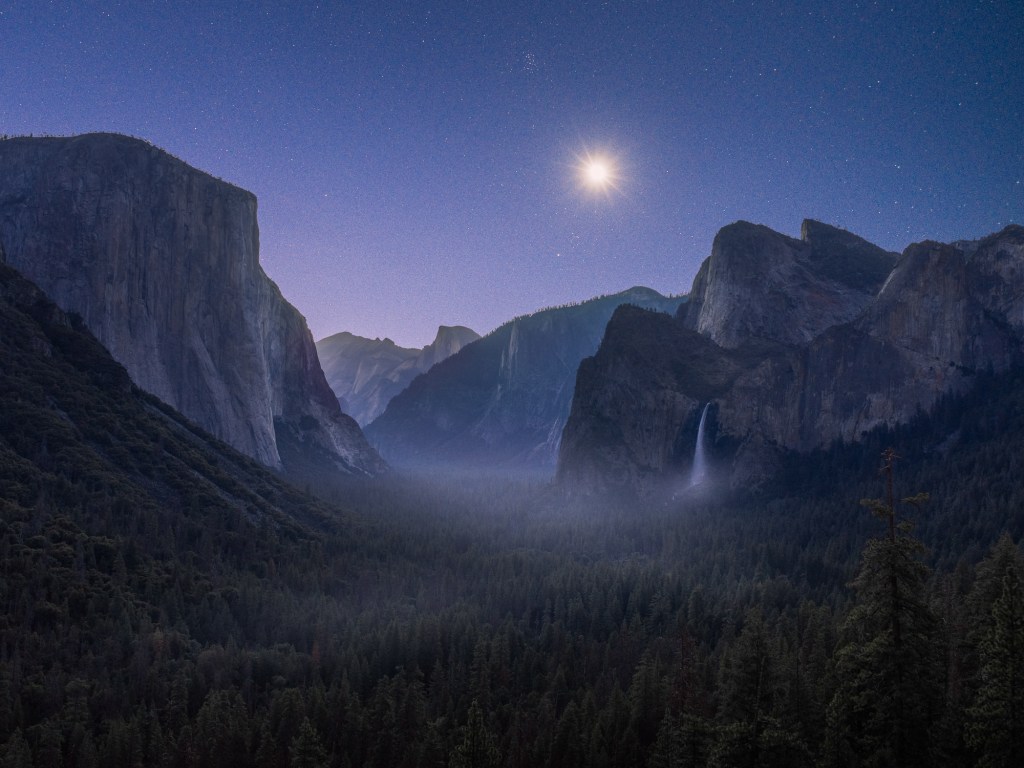
The image below is a composite. I set up my Hasselblad H6D-100c with the HC 50mm and my Hasslblad X1D with the Nikkor 20mm f1.8G side by side at Tunnel view. I used the image of the landscape from my H6D but chose the image of the sky (captured simultaneously) from the X1D and Nikkor lens, as I found the moon to show the best “moonstar” with that lens.
 LANDSCAPEPHOTOGRAPHY ETC.