Most of my images are made using a very slow, deliberate workflow: Meticulous planning, almost always shooting from a tripod and often using “slow gear” and techniques that takes time to set up and prepare (primes, tilt-shift lenses, manual exposure, bracketing etc). Everything to achieve ultimate technical quality. I have found that this workflow is what gives me the most joy and best images. My Hasselblad-gear is perfect for that, and I really enjoy using it for my planned and deliberate photography.
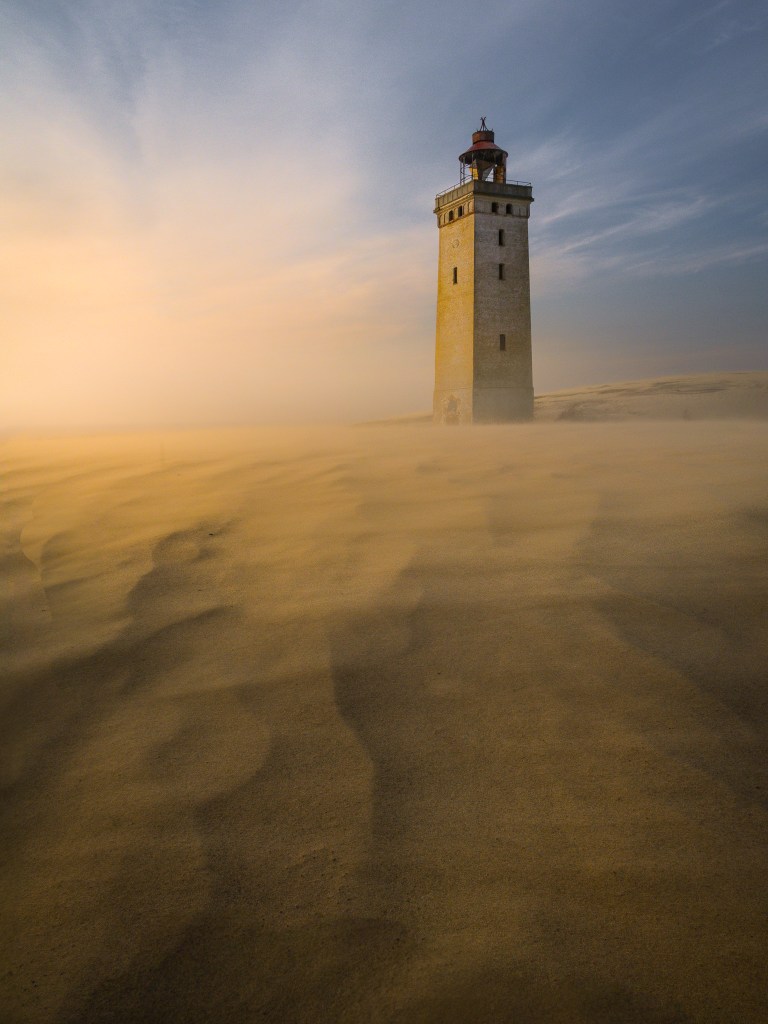
While this is my main modus operandi, I often bring a camera for more improvised, hand-held shooting too. Think camera in the lap during road-trips, or with a shoulder-strap wandering a busy city. The point is to have a camera/lens combo that is ready for that quick exposure when everything suddenly lines up. There are also other situations where tripods and a slow workflow is challenging. Tripods are prohibited at some locations, and in really horrific weather, I often find it easier to shoot hand-held. Not to mention the advantages of a versatile zoom so that you don’t have to change lenses in a sandstorm or pouring rain.
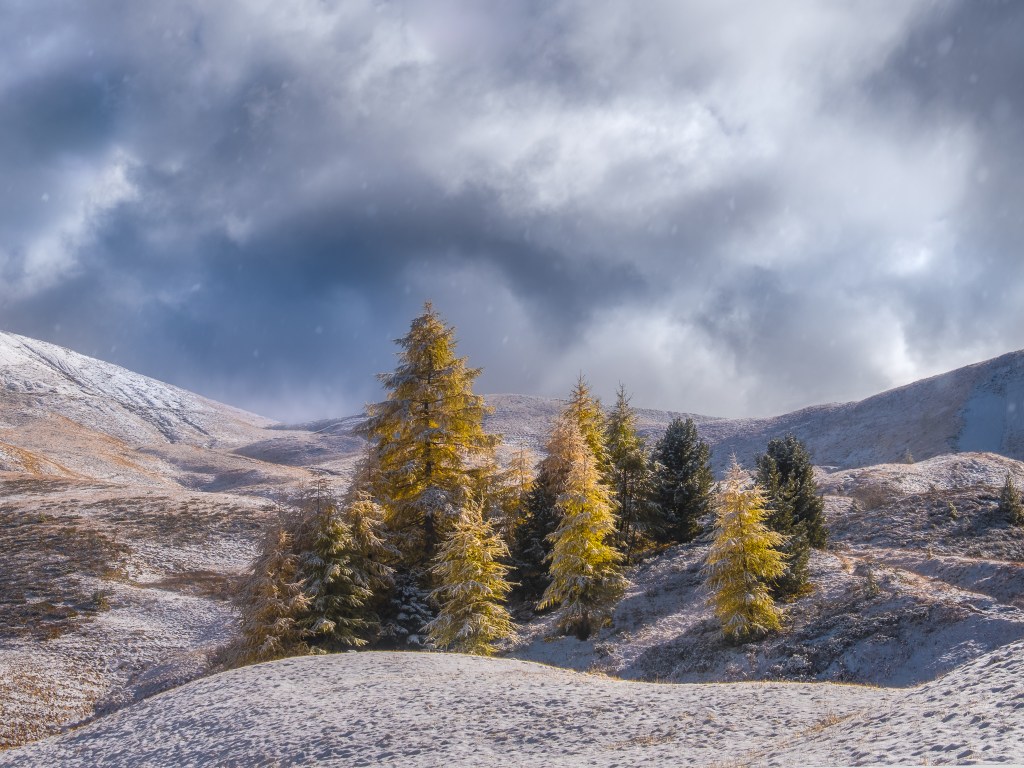
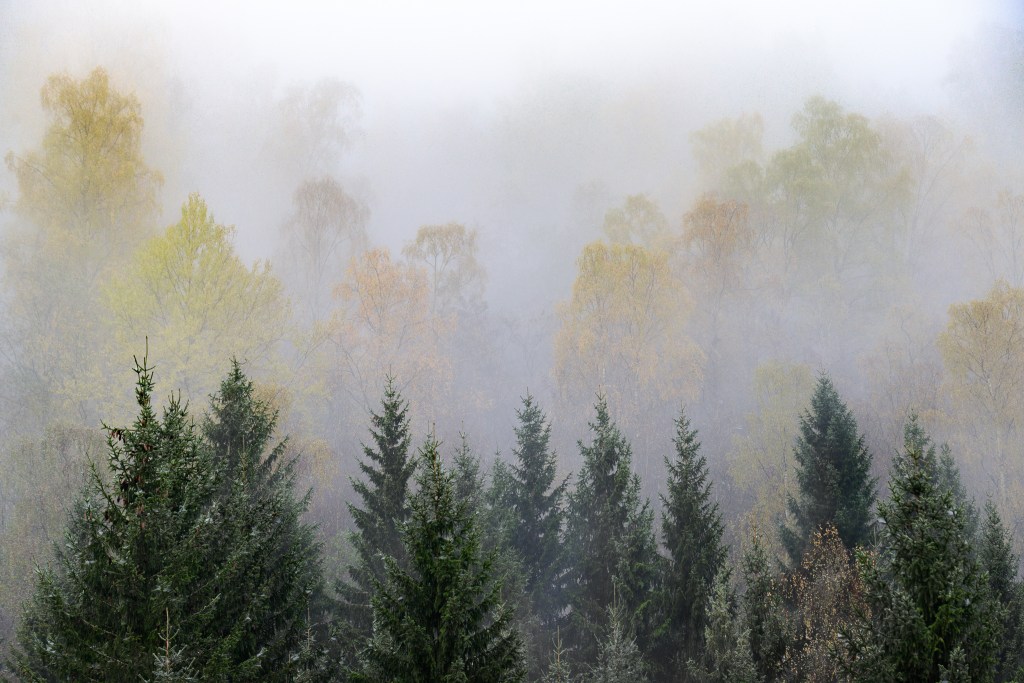
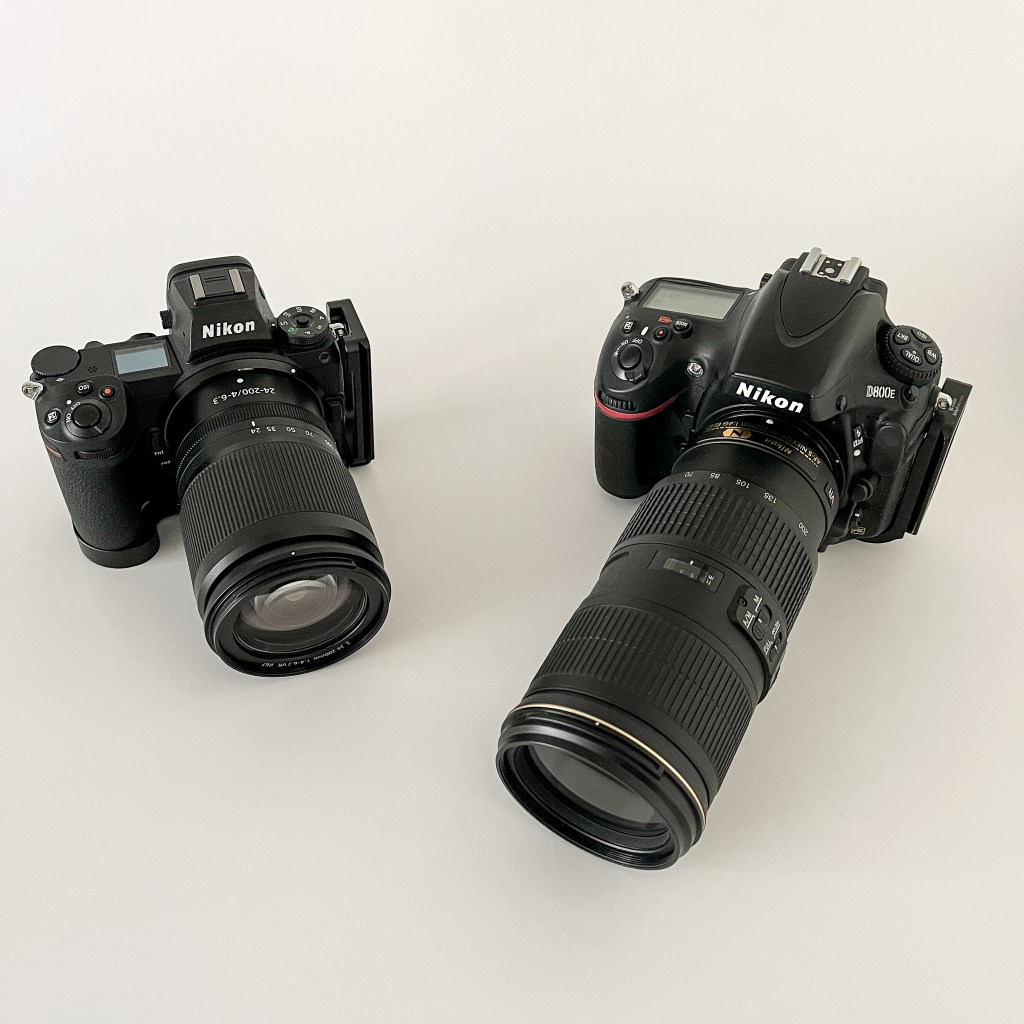
Some 10-15 years ago I used one of my Nikon d800-bodies paired with the stabilized Nikkor 24-120 f4. For this kind of work, I most often find myself in the tele-end of things, and unfortunately, the 24-120 left a lot to be desired there. For a period, I used the Fuji X-pro II with the Fujinon 18-135 f3.5-5.6. A great setup, lightweight and handy. Very versatile lens with great stabilization. I really liked working with it, but I never grew comfortable with processing the files from the X-trans sensor in Lightroom. The sharpening artifacts were just too much. So, I returned to the d800, but this time with the excellent 70-200 f4. Although big and heavy, this setup has done the job for me for this kind of work for the last few years.
After a road-trip to western Norway last autumn, I couldn’t help thinking that sensor tech has evolved since the D800 was released back in 2012. A few of my images were hard to process due to noise, and colors were difficult compared to my Hasselblad cameras. Granted, I’m spoiled with the fabulous files from my Hasselblads , so the comparison is unfair. But I couldn’t help thinking that I could do with something more lightweight and versatile and maybe with a tad improved sensor.
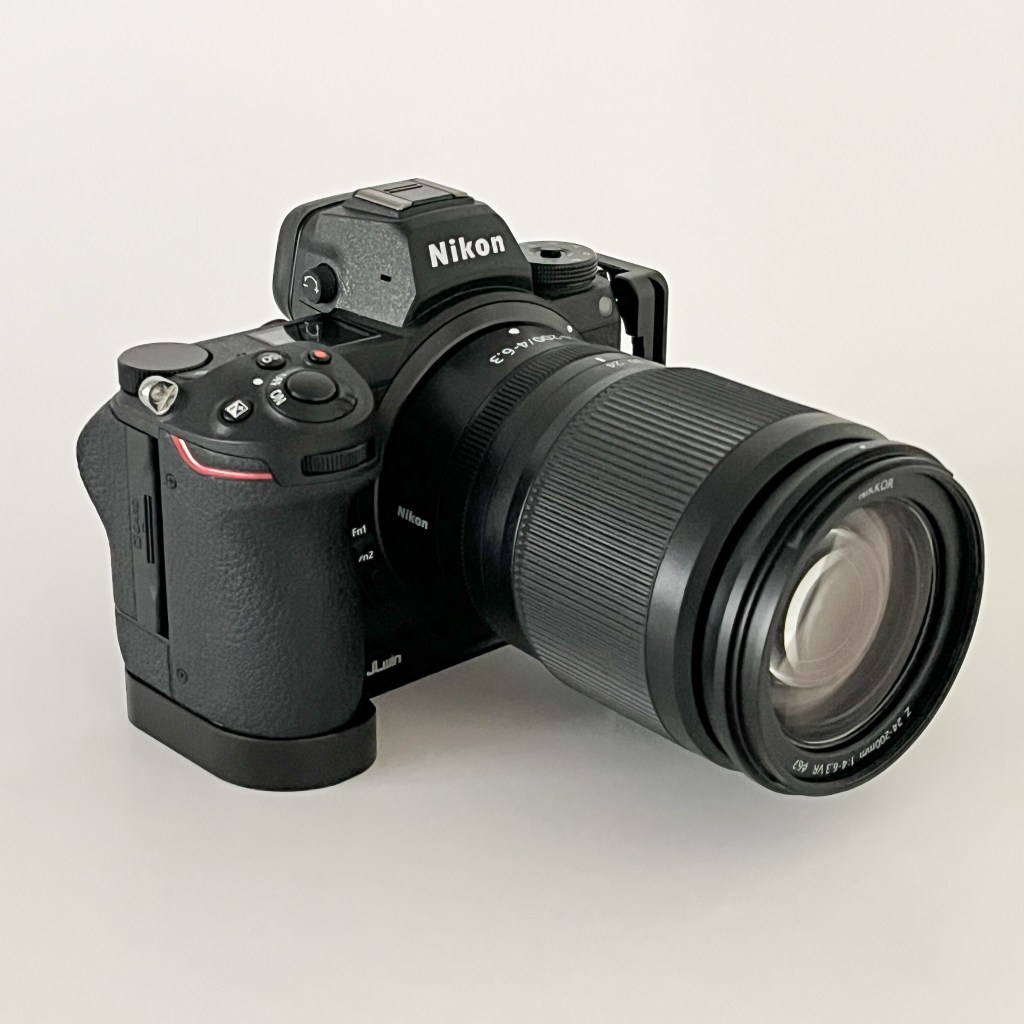
I wanted a smaller and more lightweight camera with a modern high-resolution sensor. IBIS and/or well stabilized lenses is a requirement for this kind of photography. I also wanted a system with extensive lens-selection, so that I could fill the gaps in my Hasselblad gear, e.g. macro lenses, longer telephoto-lenses and fast primes for night-photography had to be available. Regarding lens choice, I looked for a small, lightweight versatile zoom that at least covered the range from around 50mm to 200mm. To make a long story short, after thorough research and testing through late autumn and winter, I landed on the Nikkor Z7II and the Nikkor Z 24-200 f4-6.3 VR.
The main reasons for my choice were the following:
- Better sensor: 45,7 mpx backlit sensor with less noise and better dynamic range.
- Improved stabilization, including IBIS.
- Less weight and bulk.
- Nikon with (for me) well known menus and setup.
- Excellent ergonomics and build quality.
- Acceptable price.
- Obvious advantages of a mirrorless system (some may consider them disadvantages, I don’t, even if I still like optical viewfinders…)
- A fairly well developed lens-system, with the added possibility of using some of my old f-mount lenses (e.g. tilt-shift) in case I should need it.
- I was very much in doubt about the lens choice. I tested numerous different zooms, but in the end, versatility turned out to be the deciding factor, see next paragraph.
A superzoom? really?
Yes, yes, I can definitely hear the critics already. Working with high-end Hasselblad primes one minute, and then using a cheap Nikkor superzoom the next?! What’s going on here? Well, most things in life are compromises. And I did actually do my homework before purchasing this lens. First of all: versatility is extremely important for me when shooting improvised and hand-held. As mentioned, this workflow often involves the tele-end of the lens, but having the option to go as wide as 24 mm is a great bonus. Furthermore, this lens is extremely compact, lightweight and easy to handle for such a long zoom range. Technically, it has really surprised me. In center, it is very sharp throughout the zoom range. It is definitely best from 30-100mm, but still very good all the way up to 200. I would say on par with my old F-mount 70-200 f4. Corner sharpness suffers a bit from 24 to about 30mm, but stopped down to f8 or f11 it is good enough. At least if I use some software magic like Topaz sharpen AI. Chromatic aberration is a bit high throughout the zoom range, mostly in the wide end, but is quite easily corrected. The biggest problem is a tendency to flare on backlit scenes, so one has to be a bit careful there. Maybe I just have been very lucky with a good sample of this one, but I’m really happy with it. If you are curious about this lens, there are numerous in-depth reviews online. But I strongly recommend you to test it out in the field for yourself before purchasing. You might be surprised.
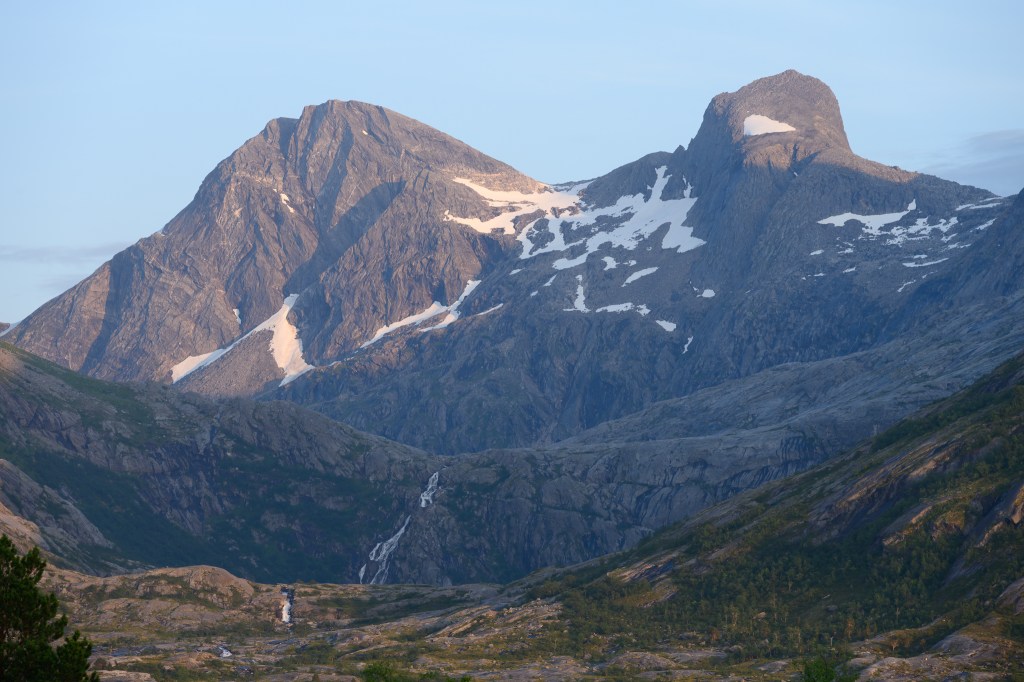
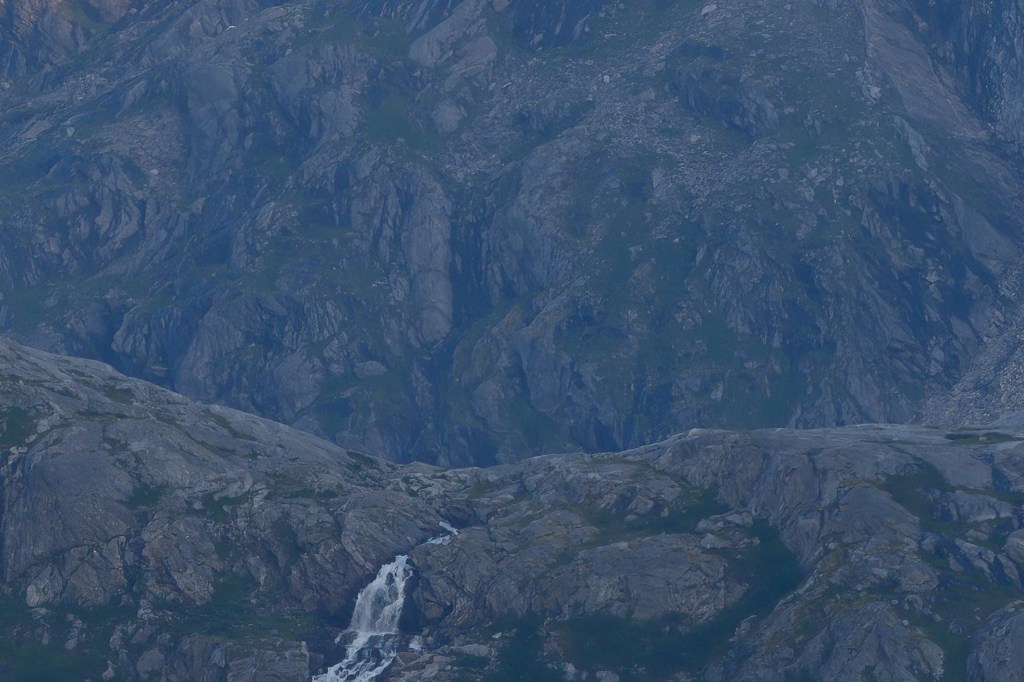
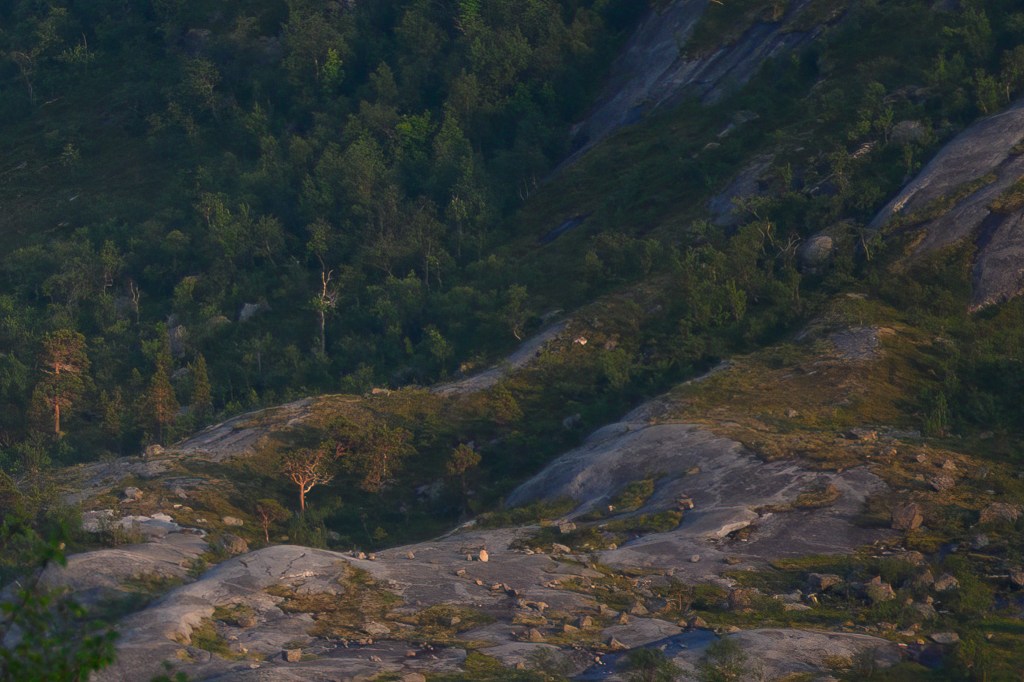
and one more lens….
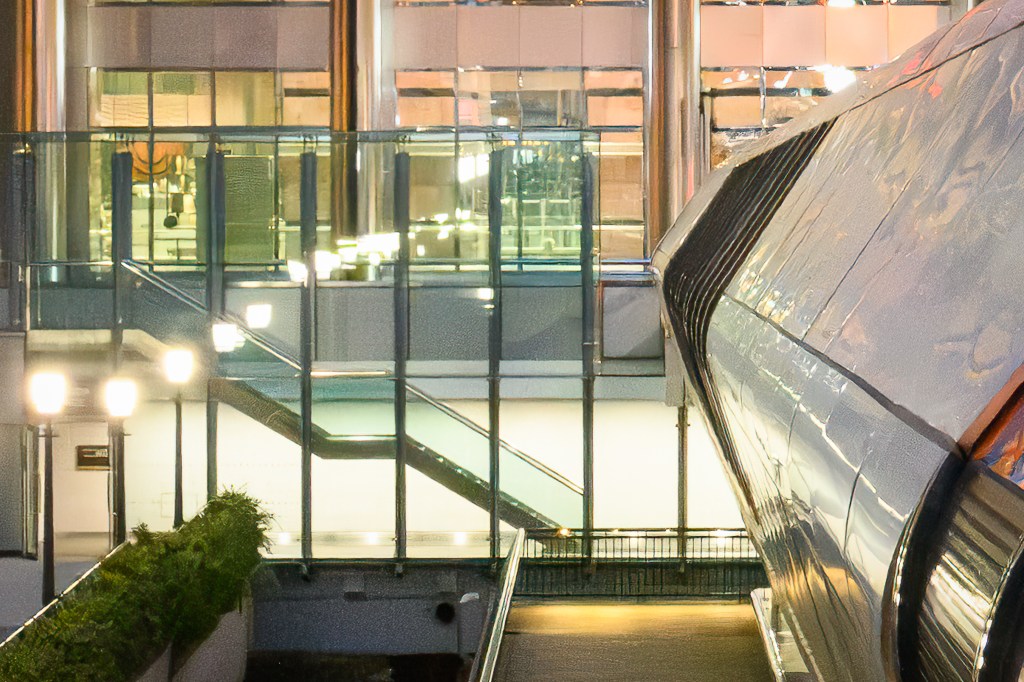
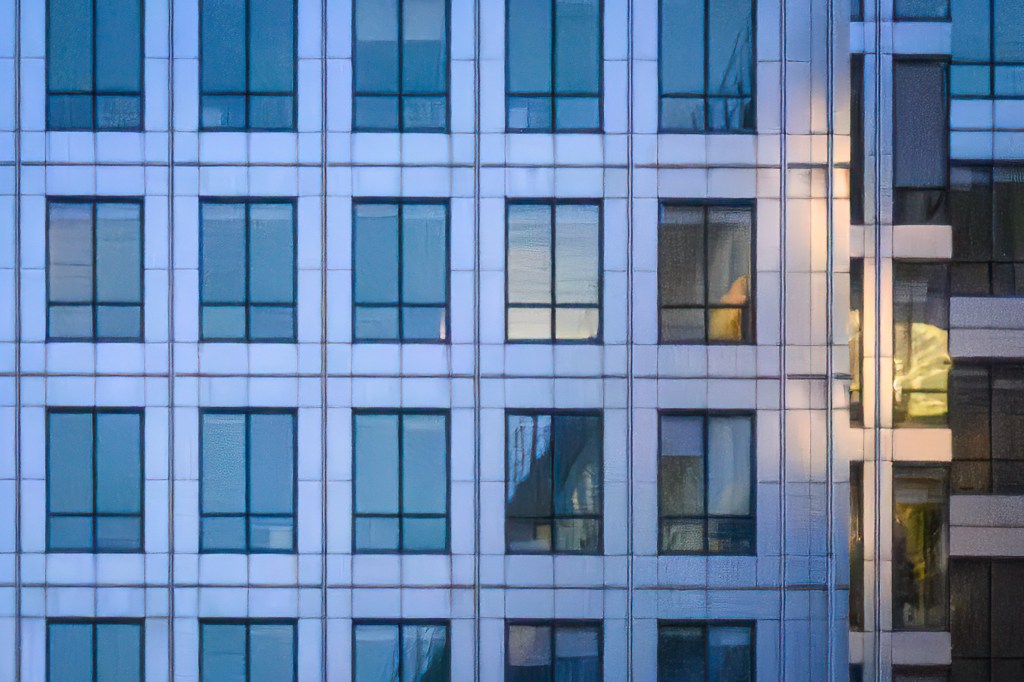
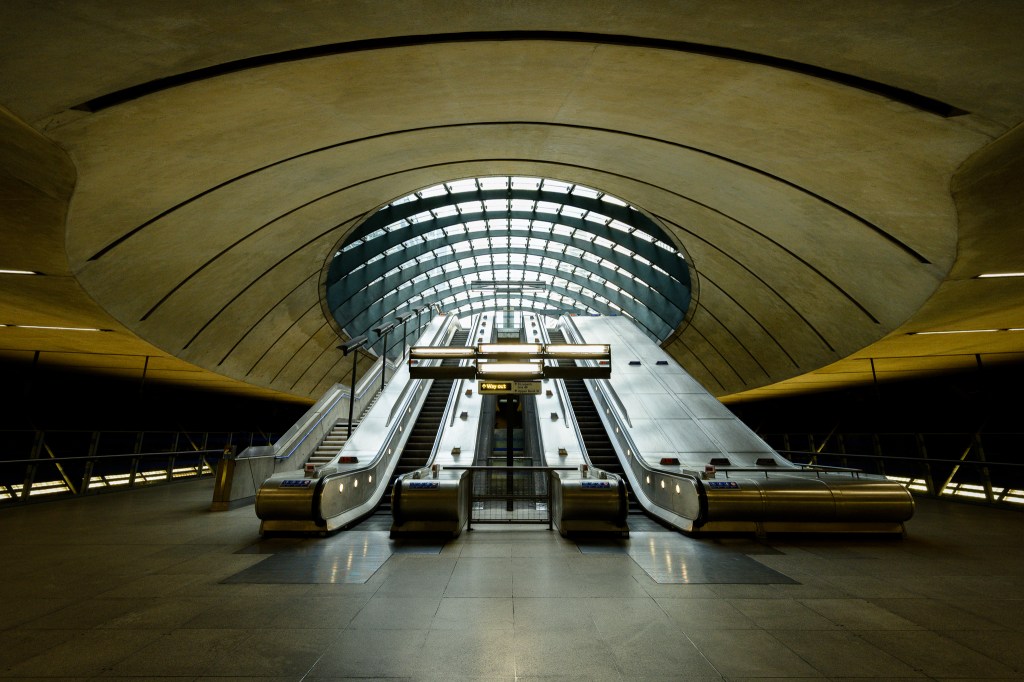
Sometimes I find myself in need of an ultra wide lens, even when shooting hand-held. Before my trip to London this summer, I wanted an ultra wide to complement the 24-200 for some of the cityscapes. The choice for this was really quite easy, and I ended up with the 14-30mm f4. I can now cover the range From 14-200mm with an extremely small and lightweight two-lens package that easily fits in a small shoulder-bag.

Practical use and examples
The Z7II has three user presets; U1-3. I have set up U1 to use for hand-held shooting. (U2 and U3 for tripod-use and nighttime photography, respectively). That means full frame RAW-captures, auto iso with a minimum shutter-speed of 1/15 sec., aperture priority, automatic color-balance, AF-S autofocus and center weighed light-metering. The camera is set to start up at f8. This way, when I turn the camera on in U1, I mostly just frame the shot, focus and expose. The i-menu has been configured in such a way that I have overview of my settings and exposure bracketing, focus bracketing and self timer are easily accessible. I have mounted an L-bracket . That may seem un-necessary for hand-held photography, but it provides a lot of protection, adds to the ergonomics (in my opinion) and is needed if I should happen to use it on a tripod.
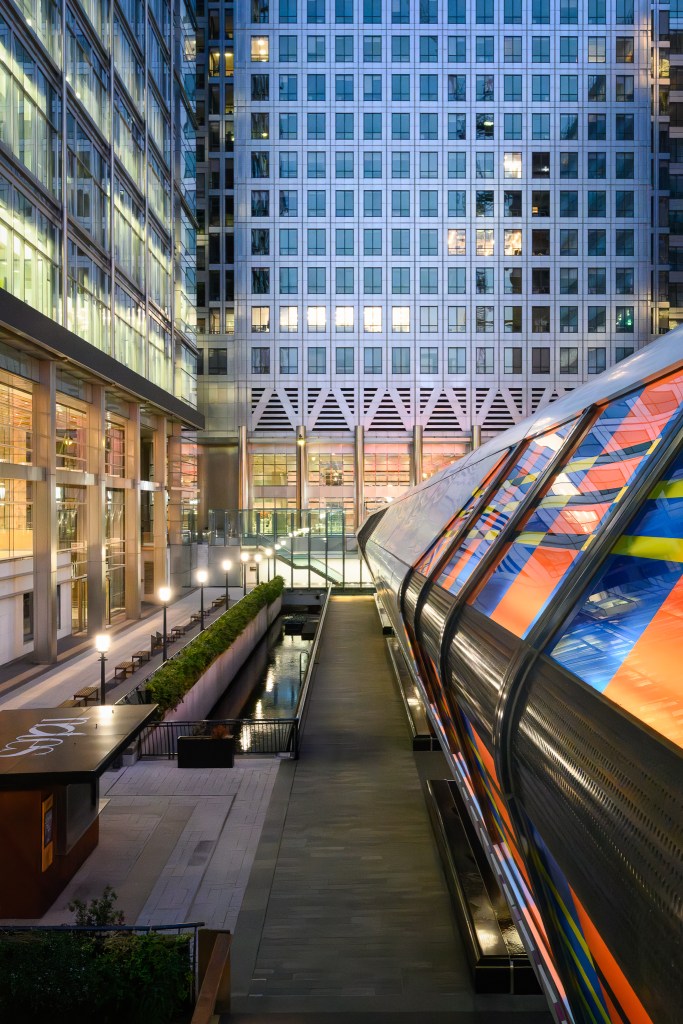
Conclusion
Will this replace my Hasselblads? Will my workflow be changed forever? Absolutely not! My main mode and equipment for landscape- and cityscape photography remains the same. The new gear just opens up for a few new possibilities.
Some people have asked why I don’t use my Hasselblad X2D for this kind of work. The answer to that is: I do, sometimes. But as of now, the lens selection for the X-system is somewhat limited, and the lack of a tele-zoom is a big drawback. I use the adapted Mamiya 105-210mm with my X2D, but that setup is definitely not suited for quick, hand-held work. Hasselblad might have a telezoom in the works, but who knows? And it might be big, heavy and expensive. Furthermore, it is liberating to have lightweight, versatile gear that gives adequate results in conditions that would otherwise be difficult for slower, bigger, heavier and really expensive equipment.
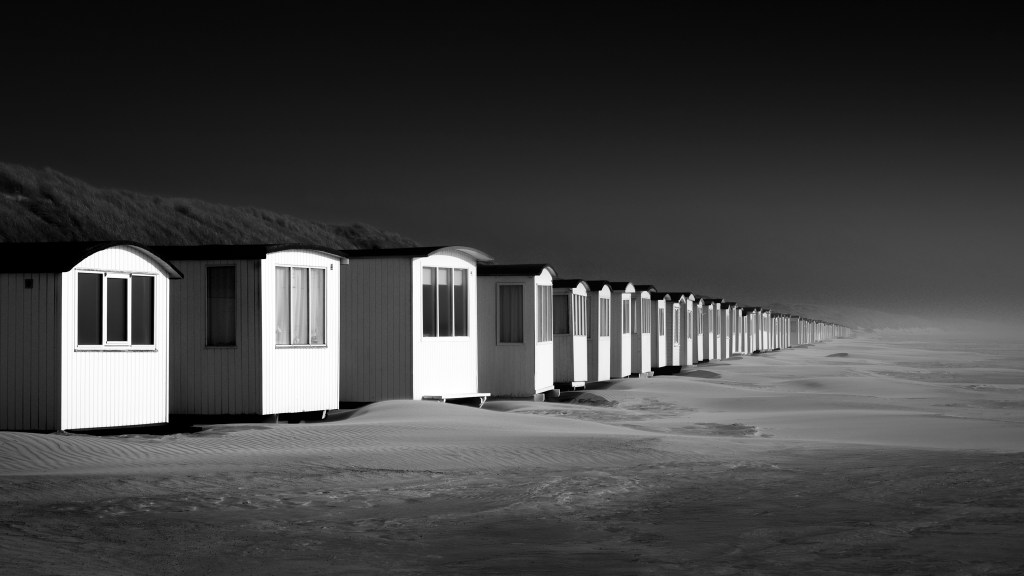
I have only used this setup for a little over half a year, but I have already gotten a few images that I am really happy with, and would have missed out on without this gear. It will definitely see some use in the upcoming autumn-season!
 LANDSCAPEPHOTOGRAPHY ETC.